
Quick Answer: How to Choose the Right Aesthetic Clinic
To choose a safe and qualified aesthetic clinic in the UK, ensure the practitioner is medically trained (preferably nurse-led), check qualifications and experience, read verified client reviews, attend a full consultation, and prioritise clinics that focus on natural-looking results and patient safety over low prices.
Why Choosing the Right Aesthetic Clinic Matters
Aesthetic treatments such as anti-wrinkle injections and dermal fillers are medical procedures that require skill, precision, and in-depth knowledge of facial anatomy. Choosing a qualified and experienced clinic significantly reduces risks and ensures natural, safe results.
With the growing popularity of non-surgical cosmetic treatments in the UK, it is more important than ever to select a clinic that prioritises safety, professionalism, and personalised care.
What Makes an Aesthetic Clinic Safe?
A safe aesthetic clinic in the UK should meet the following standards:
- Treatments performed by medically trained professionals
- Strong understanding of facial anatomy
- Use of approved, high-quality products
- Clean, clinical environment with strict hygiene protocols
- Professional indemnity insurance
- Emergency procedures in place
Clinics that meet these criteria are far more likely to deliver safe and effective outcomes.
Choose a Nurse-Led or Medically Supervised Clinic
One of the most important factors when selecting a clinic is whether it is nurse-led or medically supervised.
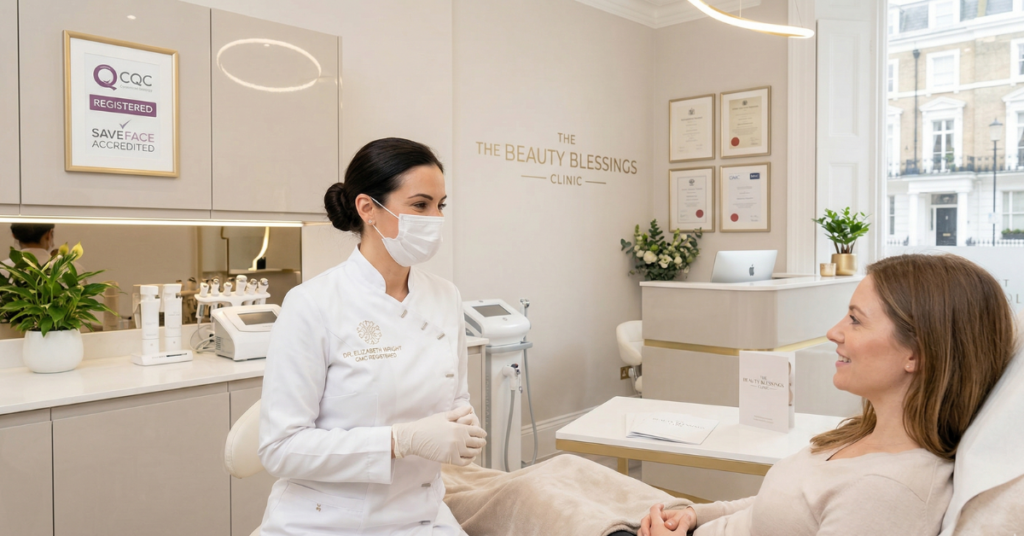
A nurse-led aesthetic clinic ensures that treatments are carried out by a qualified professional with medical training, clinical experience, and a deep understanding of patient safety.
What is a Nurse-Led Aesthetic Clinic?
A nurse-led aesthetic clinic is run by a registered nurse trained in advanced cosmetic procedures such as injectables and skin treatments. These professionals combine medical knowledge with aesthetic expertise to deliver safe, balanced, and natural results.
Check Qualifications, Training, and Experience
Before booking any treatment, always verify the practitioner’s credentials.
Look for:
- Medical qualifications (e.g., registered nurse or doctor)
- Advanced aesthetic training (e.g., Level 7 certification)
- Ongoing professional development (CPD)
- Years of experience in aesthetic treatments
- Specialisation in injectables and facial aesthetics
A qualified practitioner will be transparent about their training and happy to answer your questions.
Always Book a Consultation First
A reputable clinic will never rush you into treatment without a full consultation.
During your consultation, you should expect:
- A full assessment of your facial structure
- Discussion of your goals and expectations
- Honest advice on suitable treatments
- Clear explanation of risks and outcomes
- A personalised treatment plan
This step ensures that your treatment is tailored specifically to you, leading to safer and more natural results.
Read Reviews and Assess Client Experience
Client reviews provide valuable insight into a clinic’s quality and reputation.
What to look for in reviews:
- Consistent positive feedback
- Mentions of professionalism and care
- Natural-looking results
- Good communication and aftercare
Verified testimonials and before-and-after results can further help you make an informed decision.
Focus on Natural Results, Not Overdone Enhancements
A professional clinic prioritises subtle, natural enhancements rather than dramatic or overfilled results.
Overdone treatments can indicate:
- Poor technique
- Lack of experience
- Inadequate consultation
A skilled practitioner will enhance your natural features while maintaining facial harmony and balance.
Red Flags to Avoid
Avoid clinics that show any of the following warning signs:
- Extremely low prices that seem too good to be true
- No consultation offered
- Lack of visible qualifications or credentials
- Poor hygiene standards
- No reviews or negative feedback
- Pressure to undergo treatment quickly
Choosing the wrong clinic can lead to unsatisfactory results or serious complications.
Aesthetic Clinic Safety Checklist
Use this checklist before booking your treatment:
- Practitioner is medically qualified
- Clinic is nurse-led or medically supervised
- Consultation is offered before treatment
- Positive, verified reviews are available
- Transparent pricing and procedures
- Uses approved and safe products
- Emergency protocols are in place
Are Aesthetic Treatments in the UK Regulated?
Aesthetic treatments in the UK are partially regulated. However, not all practitioners are required to hold medical qualifications, which is why it is essential to choose a trained and experienced professional.
Why Choose a Qualified Aesthetic Clinic?
Choosing a qualified clinic ensures:
- Higher safety standards
- Reduced risk of complications
- More natural, refined results
- Personalised treatment plans
- Professional aftercare and support
Your face and confidence deserve expert care—never compromise on quality for cost.
Conclusion
Choosing the right aesthetic clinic in the UK doesn’t have to be overwhelming. By focusing on qualifications, medical expertise, consultation quality, and client reviews, you can confidently select a clinic that prioritises both safety and results.
Take your time, ask questions, and always choose a practitioner who values natural beauty and patient care above all else.
Popular Categories
Lip Augmentation | Non-Surgical Rhinoplasty | Cheek Contour | Nasolabial Folds | Chin Filler | Tear Trough Filler | Jaw Filler | Filler Packages | Profhilo – Face | Profhilo – Hands | Fat Dissolving | Lines & Wrinkles | Hyperhidrosis | Pdo Threads.
FAQs
1. How do I know if an aesthetic clinic is safe?
A safe clinic will have medically qualified practitioners, proper hygiene standards, verified reviews, and a full consultation process before treatment.
2. Why is a nurse-led aesthetic clinic better?
Nurse-led clinics provide treatments performed by medically trained professionals with expertise in patient safety, anatomy, and clinical procedures.
3. What qualifications should an aesthetic practitioner have in the UK?
Look for medical credentials (nurse or doctor), Level 7 aesthetic training, and ongoing professional development.
4. Are cheap aesthetic treatments safe?
Low-cost treatments can sometimes indicate poor-quality products or lack of experience. Always prioritise safety and expertise over price.
5. What should I ask during a consultation?
Ask about qualifications, experience, treatment options, risks, expected results, and aftercare.